
Checking Criminal History in King County
Begin a King County records check with the type of event, not with a broad name search. A filed criminal case belongs with the combined county and district clerk. A sheriff incident or arrest report belongs with the King County Sheriff's Office. A jailer keeps the separate intake and custody file. The Texas Department of Public Safety Criminal History Search supplies the public statewide subset, mainly convictions and deferred adjudications that Texas law makes public. No one source stands in for all four.
Use a full name, spelling variants, an approximate year, and a case or incident number when one is known. Date of birth can help distinguish similar names, but do not publish private identifiers. Follow a match back to the office that created it. King County has no single public countywide criminal history portal, no online jail roster, and no public warrant master list.
- Call the King County clerk for a filed case and ask which local or statewide index covers the relevant year.
- Ask the sheriff about a recent arrest, incident, warrant, or current place of custody.
- Use re:SearchTX for discovery, then verify the docket and judgment with the King County clerk.
- Use the TxDPS name search for the public statewide conviction and deferred-adjudication subset.
- For review of your own identity-based Texas record, follow the FAST fingerprint process and resolve errors with certified court papers.
For local context, the official King County homepage identifies the courthouse and links its public offices.
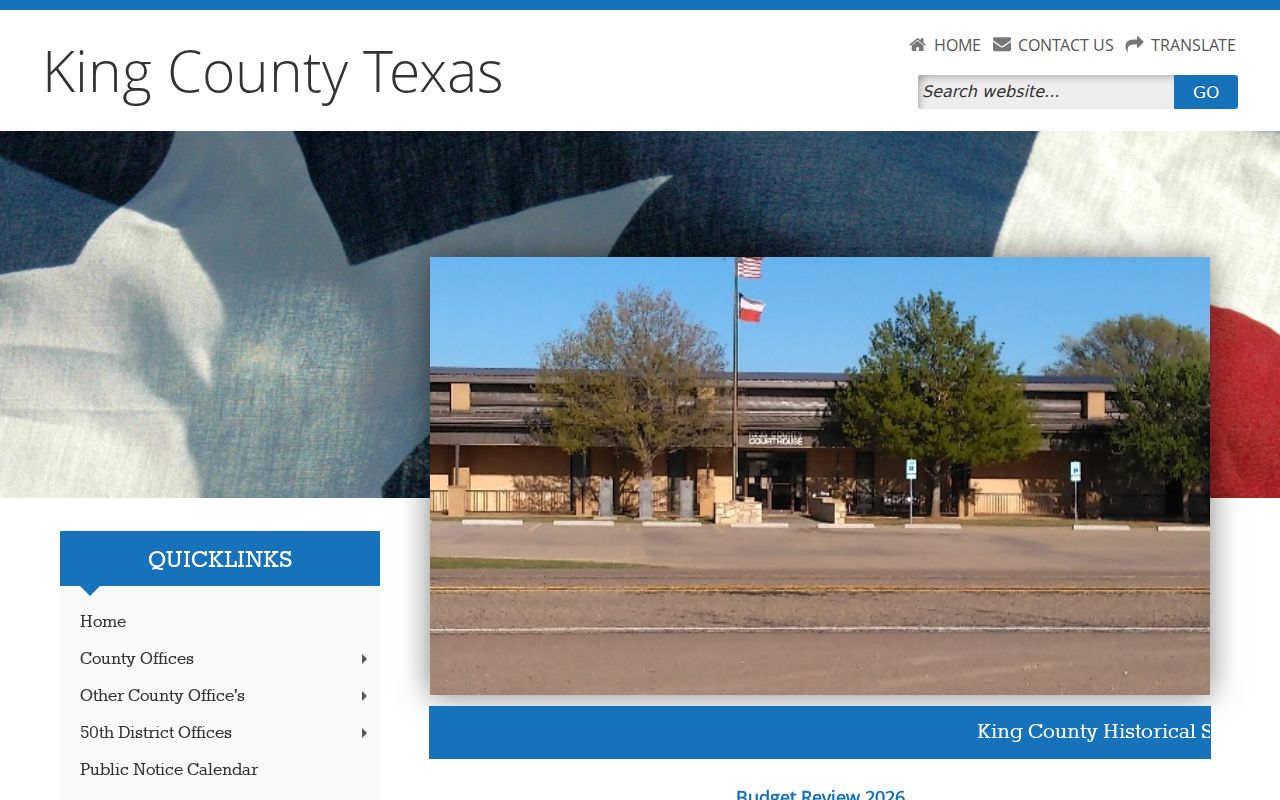
The county screen helps confirm that Guthrie is the government hub before a reader calls a specific custodian.
Four King County Record Custodians
Four files can arise from one event. The arresting agency writes the incident and arrest report. The receiving jail records intake, bond, housing, transfer, and release. The King County clerk opens a court file only after a charging paper reaches court. TxDPS links reportable arrest and disposition events in Computerized Criminal History. Those files overlap, yet each answers a different question.
- King County Sheriff
- Best for incident, arrest, locally retained booking, and warrant facts, but not the final court outcome.
- Receiving jail
- Best for custody, bond, transfer, and release, though the facility can be outside King County.
- County or district clerk
- Best for the docket, charging paper, judgment, and sentence, but not each unfiled arrest.
- TxDPS
- Best for reportable statewide history, while its public name result remains a limited subset.
This split explains why a dismissal in court does not by itself erase the earlier booking record. It also explains why a King County name search can miss an arrest whose disposition is late or not matched to the arrest tracking number.
Texas Official Background Checks
TxDPS offers two distinct routes. Its public name search uses biographical matching and costs one search credit to open a selected result. The public view is not a full rap sheet. For review of one's own Texas history, a fingerprint comparison is the stronger identity match. Fingerprint Applicant Services of Texas, or FAST, uses IdentoGO by IDEMIA for capture and scheduling.
King County has no confirmed permanent IdentoGO center. Enter the service code first at the official FAST enrollment portal, then search around Guthrie ZIP 79236 for current mobile or neighboring-county appointments.

The live locator, not an old address, controls where King County residents can book a fingerprint visit.
| Official product | Published fee | Scope |
|---|---|---|
| TxDPS public name search | $1 per opened result; card purchase adds 2.25% per credit and $0.25 per transaction | Public conviction and deferred-adjudication information |
| TxDPS fingerprint record check | $15 | Fingerprint-based Texas record product |
| FAST fingerprint capture | $10 stated by TxDPS | Identity capture; program fees may also apply |
| King County local check | Not posted | Ask the sheriff what local service exists |
The $1 King County Search
The TxDPS Criminal History Search requires an account and prepaid credits. A reader can enter a last name and first name, then add a middle name, date of birth, sex, or race to narrow possible matches. Similar names can cause a false match. A missing result does not prove a person was never arrested because the public product omits restricted data and may not show an event that lacks a public qualifying outcome.
| Search field | Use | Required |
|---|---|---|
| Last name | Primary name match | Yes |
| First name | Primary name match | Portal dependent |
| Middle name | Reduce same-name matches | No |
| Date of birth | Narrow by exact birth date | No |
| Sex and race | Biographical filters | No |
The official TxDPS search screen shows the account-based entry point.
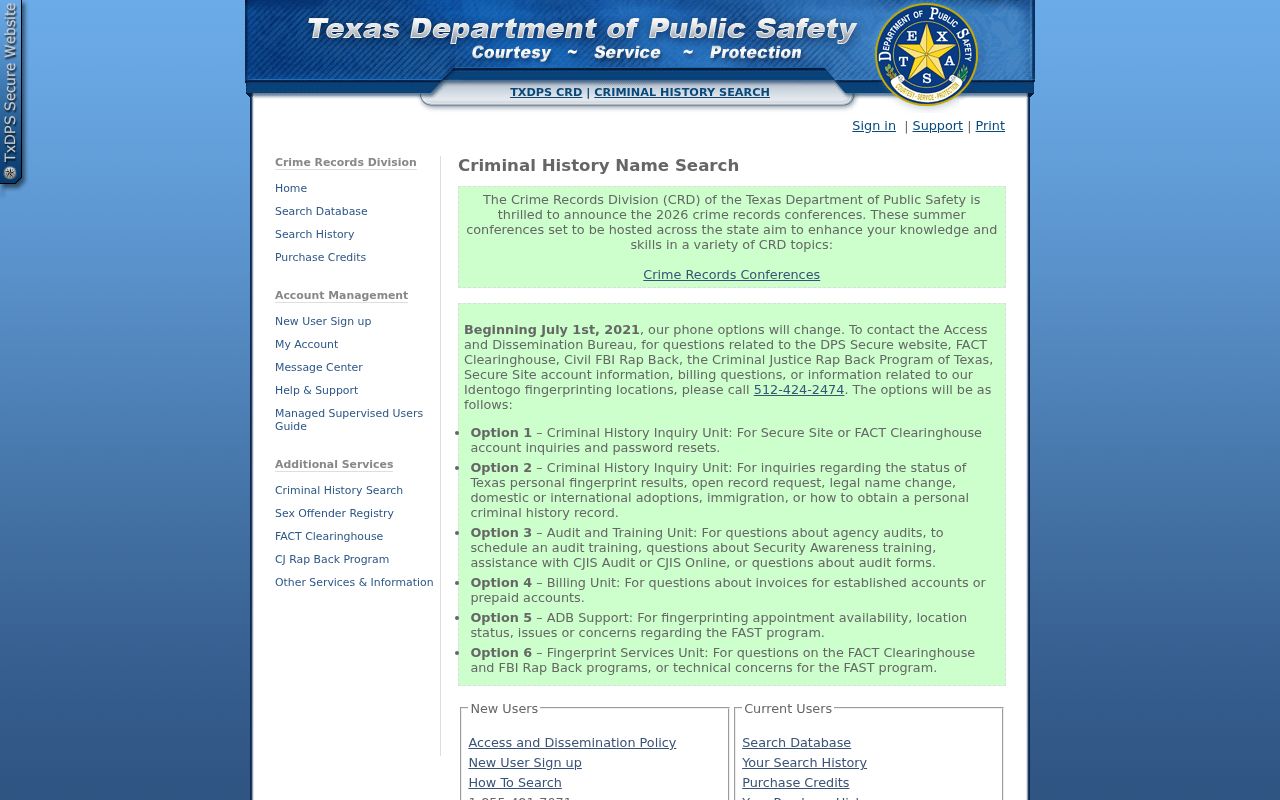
Its sign-in design reinforces that the statewide tool is a paid public record product, not King County's court docket.
TxDPS also publishes search help and credit details.

The help screen is the place to recheck current billing and result workflow before spending a credit.
Criminal Record Types
A criminal record is a set of products, not one document. King County law enforcement can hold a report even if no arrest follows. A receiving jail can hold a booking file without a final judgment. The clerk's criminal case shows what prosecutors filed and how the court ruled. TxDPS compiles reportable event cycles, while state corrections and the public registry answer narrower status questions.
- Incident report
- The responding agency's narrative and evidence record, which may exist without an arrest.
- Booking record
- The jail intake, charge, bond, custody, and release record; it does not prove guilt.
- Court case file
- The complaint, indictment or information, motions, settings, orders, judgment, and sentence.
- CCH record
- TxDPS's event-based statewide criminal history, with a narrower subset open through the public name search.
- Warrant
- A court order directing an arrest or search; current status must be confirmed with the issuing court or sheriff.
Probation is called community supervision in Texas. Parole is separate. The 50th Judicial District CSCD manages local community supervision, while the Texas Board of Pardons and Paroles decides releases and the TDCJ Parole Division supervises releasees.
King County Bookings May Travel
King County publishes no confirmed jail roster, named local jail facility, visitation vendor, or booking portal. A September 2025 commissioners agenda proposed an interlocal agreement for Garza County to house King County inmates. That public item shows that transfer is possible. It does not prove each person is now at the Garza County Law Enforcement Center.
Call the King County Sheriff's Office first. Ask for the holding county, facility name, booking number, charge, bond, and issuing court. Contact a receiving jail only after the sheriff confirms the transfer. TDCJ Inmate Information Search applies to sentenced state prisoners, not a person who was just booked on a King County charge. The federal Bureau of Prisons locator is a third, separate custody system.
For a fuller channel-by-channel path, use the King County arrest lookup. It keeps custody discovery apart from proof of conviction.
Inside a King County Criminal Record
Texas CCH is built around linked arrest and disposition cycles. A public record may show a name and other matching details, the arrest date and agency, an arrest charge, a filed charge, a court and case number, the outcome, and sentence or supervision facts. Public display depends on the governing law and whether local data reached TxDPS with a matching tracking control number.
| Name and identifiers | Names, aliases, biographical match data, and state or transaction identifiers where public. |
|---|---|
| Arrest cycle | Arrest date, agency, initial offense, and tracking information tied to a public outcome. |
| Court charge | Filed offense, statute, court, and case number. |
| Disposition | Convicted, deferred, dismissed, acquitted, no-billed, or pending status when reported. |
| Sentence | Confinement, fine, and community supervision details if part of the public result. |
| Record gap | Late, unmatched, nonreportable, sealed, expunged, juvenile, or other restricted events may not appear. |
A dismissal is a court outcome. It does not automatically delete the sheriff report or booking file. For an error in one's own CCH, obtain a fingerprint review, secure a certified disposition from the right clerk, and follow the TxDPS Error Resolution Unit process.
King County Record Visits Need Calls
The official site gives the King County Courthouse as 1667 US-83, Guthrie, Texas 79236, while office pages also use 800 South Baker Street for the courthouse campus. The county clerk lists P.O. Box 135 and telephone (806) 596-4412. The sheriff lists P.O. Box 66, telephone (806) 596-4413, fax (806) 596-4316, and weekday hours from 8:00 a.m. to 5:00 p.m.
King County Clerk
800 S. Baker
P.O. Box 135
Guthrie, TX 79236
(806) 596-4412
Call for current counter hours.
King County Sheriff
P.O. Box 66
Guthrie, TX 79236-0066
(806) 596-4413
Weekdays, 8 a.m. to 5 p.m.
Justice of the Peace
P.O. Box 67
Guthrie, TX 79236
(806) 596-4481
Call before a records visit.
The official courthouse contact page is a useful last check before a long rural trip.
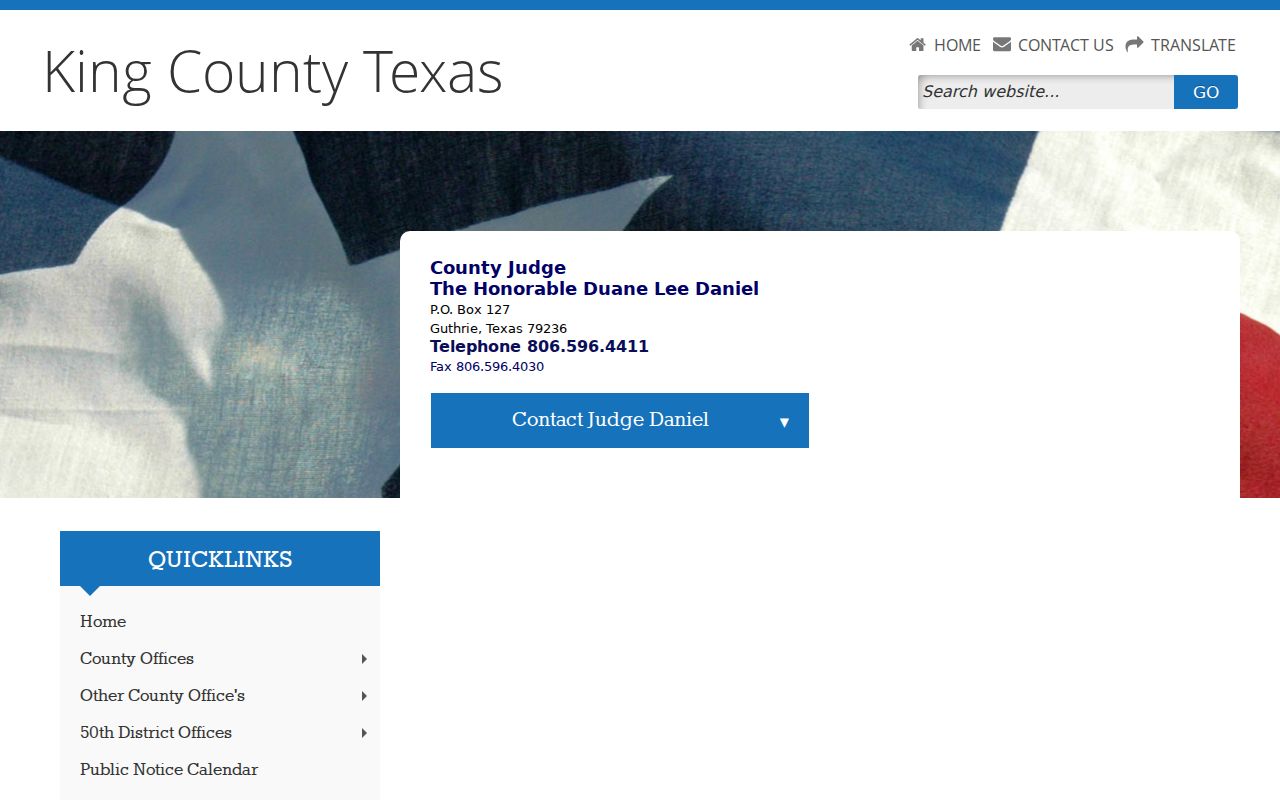
No official page promises public transit, a garage, lockers, or a self-service kiosk. Call about the right counter, access needs, security, and current hours.
Public Access Laws in Texas
The Texas Public Information Act governs requests to executive agencies, but it does not make every part of a police file open. A request asks for existing records and should go to the office that holds them. Court files also depend on judicial access rules and clerk practice, so a generic sheriff request is not a substitute for asking the clerk for a docket or judgment.
Key Texas laws:
Government Code Chapter 552 sets the public-information baseline and its exceptions.
Government Code Sections 411.083 and 411.135 define CCH confidentiality and the public conviction and deferred subset.
Code of Criminal Procedure Chapter 66 governs criminal-justice event reporting.
Family Code Chapter 58 protects and seals juvenile justice information.
Code of Criminal Procedure Chapter 62 governs sex offender registration and the public database.
The Texas Attorney General's request instructions explain how to describe records without requiring an agency to create an answer.
King County Warrant Checks by Phone
King County has no confirmed public warrant search or sheriff app. To resolve your own possible warrant, call the sheriff at (806) 596-4413 and the issuing court. The countywide justice court can be reached at (806) 596-4481 for its Class C and magistrate work. Felony and transferred criminal matters route through the clerk and the 50th District structure.
Ask for the exact court, case number, charge, current status, bond or appearance options, and whether counsel or an in-person appearance is required. Do not assume a web list is current, and do not arrive expecting immunity from arrest. After a recall, payment, or order, get written proof and allow linked systems time to update. A focused public-information request can seek historical public warrant data, but active or sealed material may be withheld.
Note: Law-enforcement-only warrant systems are not public lookup tools and should not be presented as open King County databases.
Sealed, Expunged, and Restricted Records
Texas uses two main forms of relief, and they do not mean the same thing. Expunction under Code of Criminal Procedure Chapter 55A can direct the return, destruction, or obliteration of covered records when strict conditions are met. An order of nondisclosure under Government Code Chapter 411 generally blocks public release of covered criminal history while leaving access for criminal justice and certain authorized agencies.
Eligibility depends on the exact arrest cycle, result, timing, offense, and prior history. King County readers should start with the district clerk and bring the arrest date, arresting agency, charge, court and case number, and tracking identifiers if known. The exact local civil filing total was not found in the official sources, so obtain the current fee schedule from the clerk.
The current Texas expunction chapter controls new filings.
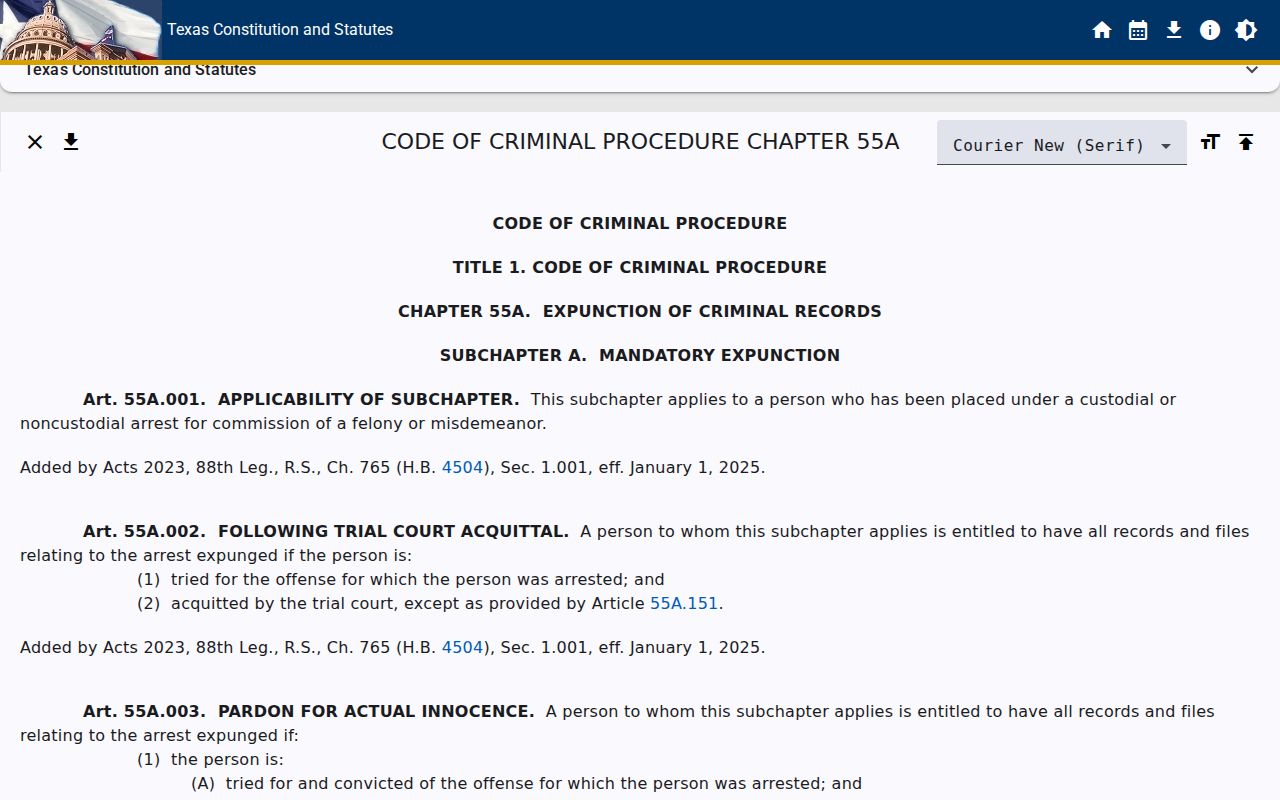
The statute view helps readers check Chapter 55A instead of relying on the former generic Chapter 55 reference.
TxDPS also maintains an official criminal records service page for record relief and resolution paths.
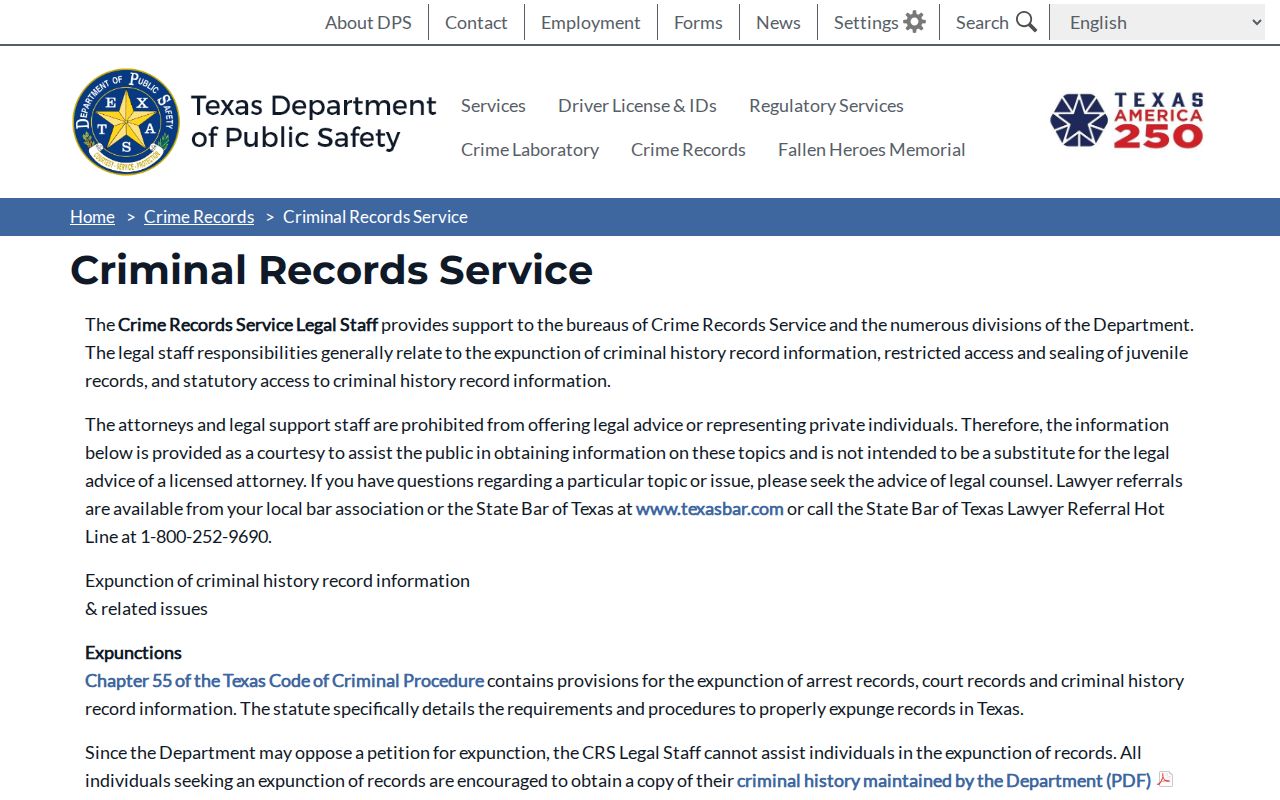
After an order, certified copies and direct follow-up with each record custodian are more reliable than assuming all systems change at once.
King County Supervision Spans Texas
King County community supervision is administered through the 50th District Community Supervision Correction Department. Its chief office is listed at 101 N. Washington in Seymour, with telephone (940) 888-3778. No public King County probation lookup was found. Start with the judgment and docket, distinguish community supervision from parole, then ask the CSCD what it may lawfully confirm.
Parole follows a different path. The Texas Board of Pardons and Paroles makes release decisions, while the TDCJ Parole Division supervises releasees. The county directory routes King County to the Lubbock District Parole Office, Region V, at 1720 E. Regis Street, Lubbock, telephone (806) 747-8282. The distance between Guthrie, Seymour, and Lubbock is part of the local records path, not evidence of a missing King County case.
King County Criminal Records by City
King County has no incorporated cities, so there are no city criminal-record pages to build. Guthrie is an unincorporated census-designated place and county seat. Dumont and Grow are also communities, not municipalities. None has a city police department, city records office, municipal court, or city jail. Local law enforcement routes to the King County Sheriff, fine-only matters to the countywide justice court, and district or county matters to the combined clerk and 50th District Court.
This is a useful routing fact, not a gap to fill with a Guthrie city page. A made-up city layer would send readers to offices that do not exist.
King County Numbers Need Care
The 2020 Census counted 265 residents across 910.9 square miles of land. That extreme rural scale helps explain the shared trial court, out-of-county probation administration, possible transferred detention, and distant parole office. It also makes crime rates easy to misuse. One or two events can move a per-capita rate sharply and may risk pointing toward identifiable people.
Use exact annual counts only after checking reporting participation and the correct Texas county. The official FBI Crime Data Explorer offers a source interface, but a user must select the year and agency with care.
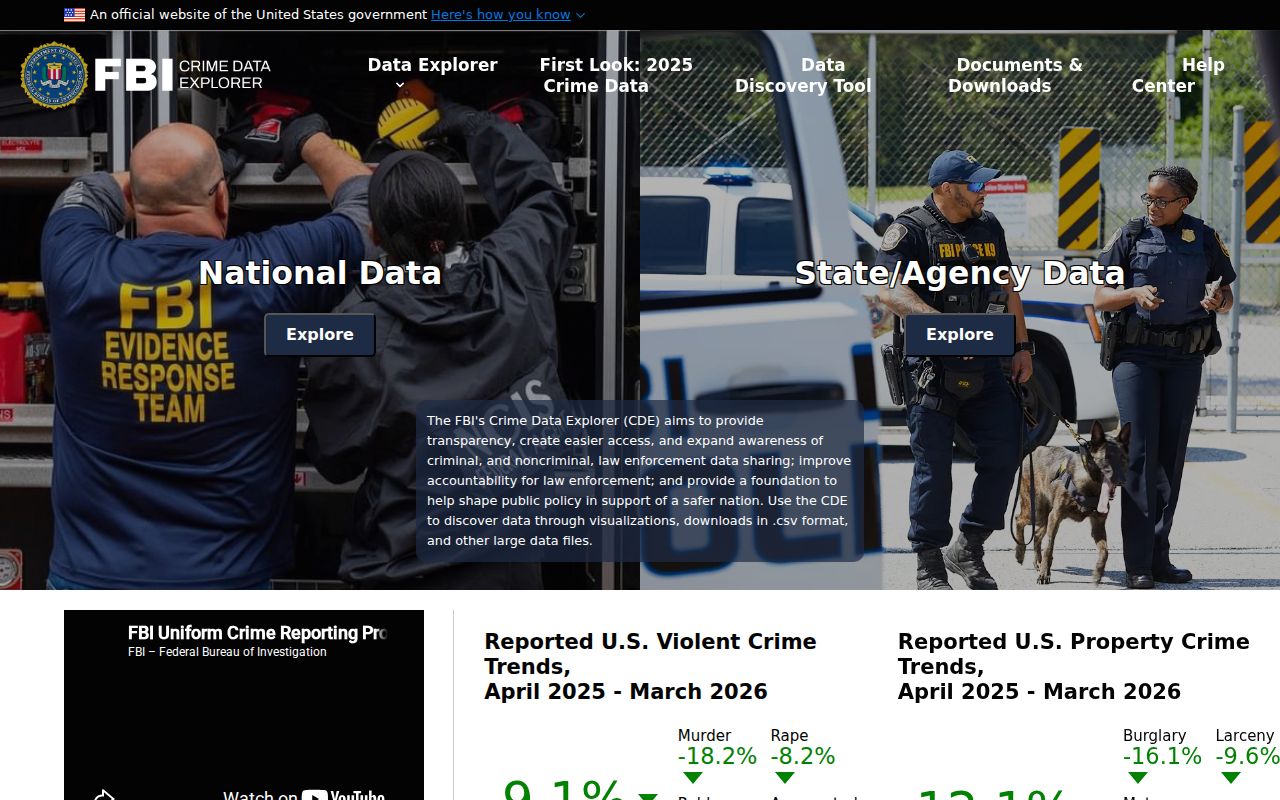
The interface is best used for context, not as a substitute for a named court, arrest, or criminal history record.
Federal cases form another layer. King County lies in the Northern District of Texas, and federal dockets are kept in PACER rather than by the county clerk. The official PACER platform requires an account and applies the judiciary's current fee and waiver rules.
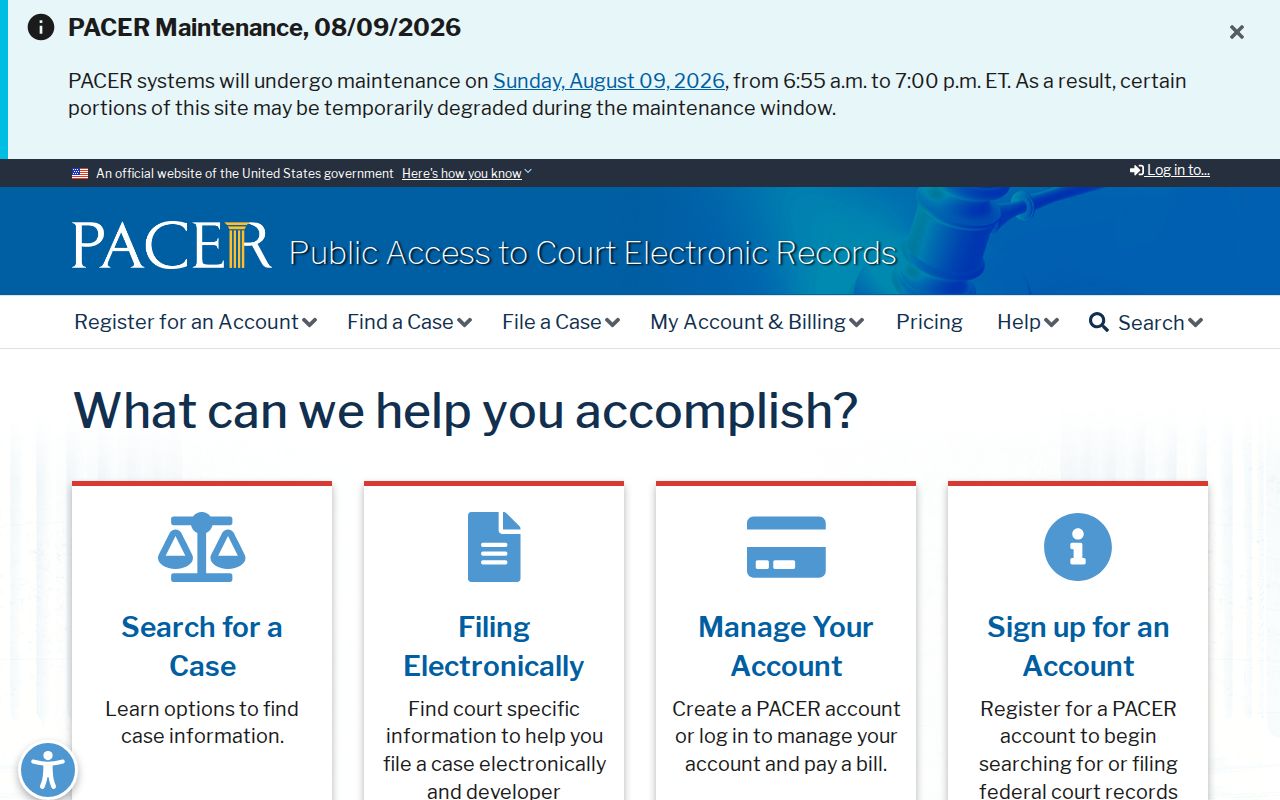
A federal search should therefore remain separate from King County court and sheriff requests.